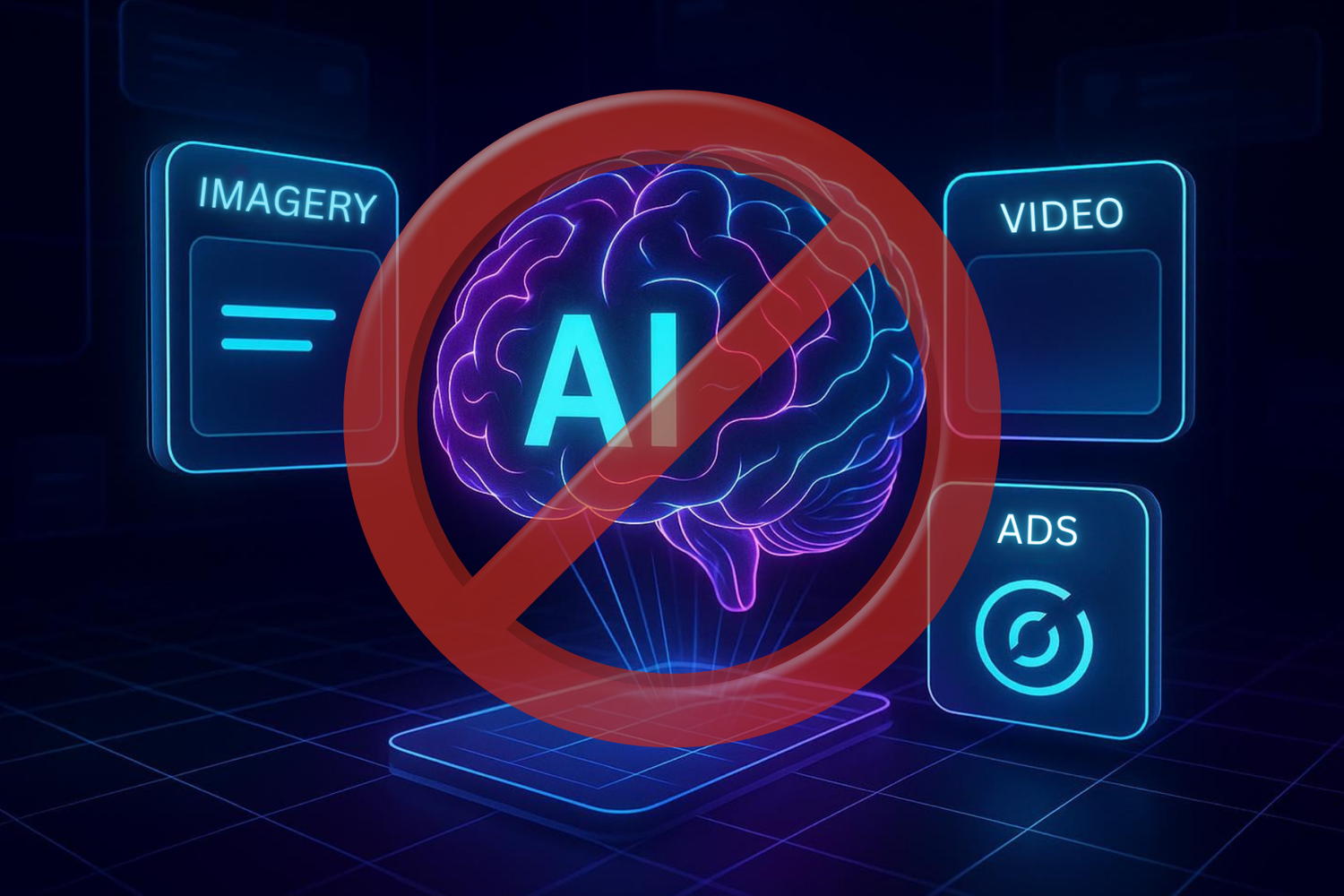
By 2027, marketing is going to swing hard in the opposite direction of where it’s been heading.
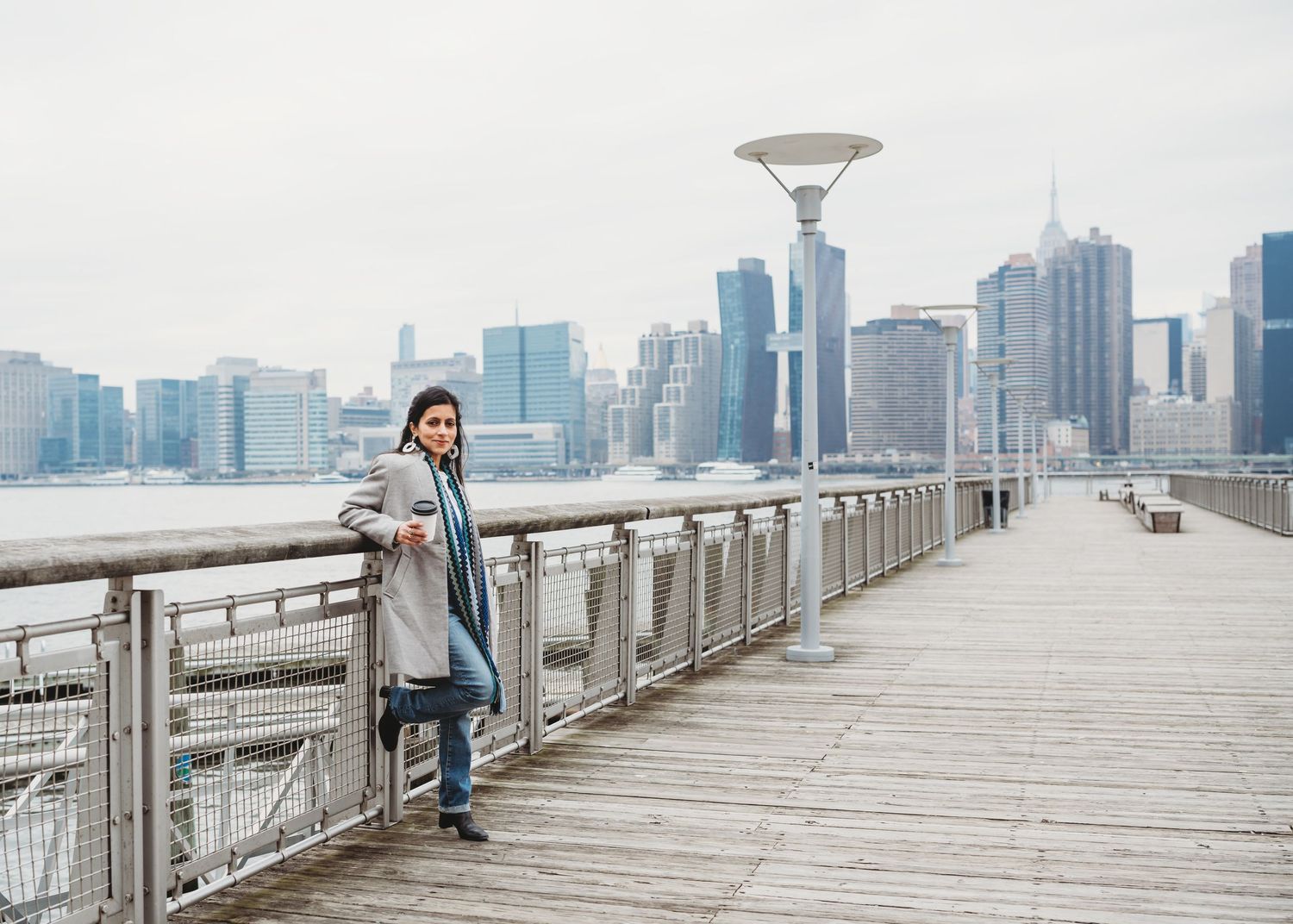
Consumers will be so oversaturated with polished, AI-generated visuals that the brands winning attention (and trust) will be the ones bold enough to show up as they actually are. Real faces. Real spaces. Real moments. Not perfectly rendered graphics, but proof of existence.
Right now, we’re already seeing the early signs. Designers are intentionally breaking things—uneven typography, off-center layouts, imperfect lines. It’s not because they suddenly forgot how to design. It’s because perfection has become suspicious. When everything looks flawless, nothing feels believable.
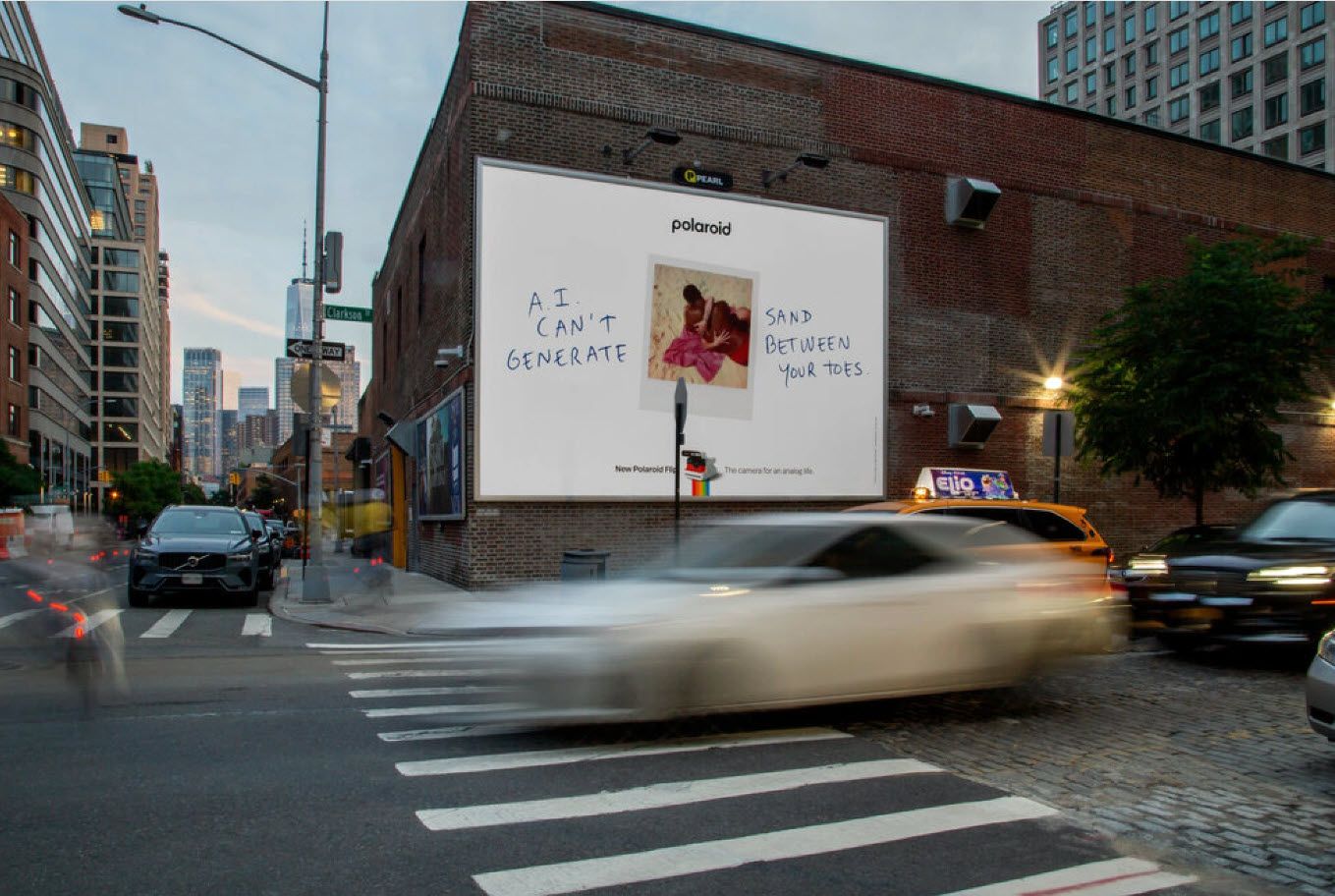
Polaroid
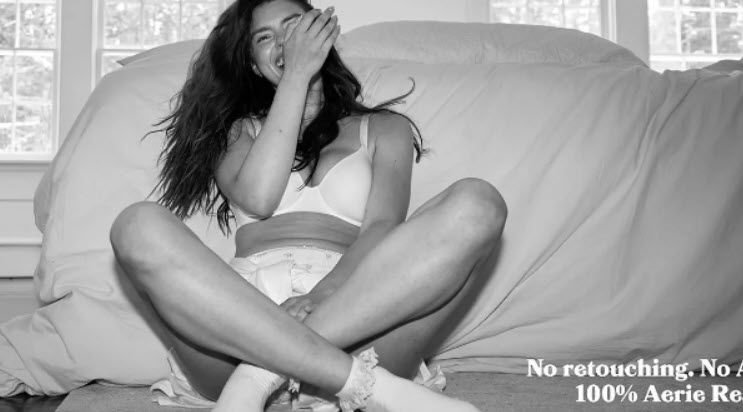
Aerie
That shift is bigger than design trends. It’s a signal. People are craving something they can’t quite name yet, but they feel it instantly when they see it: honesty. And this is where most service-based businesses are missing the opportunity.
While everyone is experimenting with “anti-AI” graphics, many brands are still hiding behind stock photos, Canva templates, or now, fully AI-generated graphics. It might look good on the surface, but it creates distance. If I’m about to hire you, I don’t want to feel like I’m interacting with a concept. I want to feel like I’m choosing a person. There’s a difference between looking professional and feeling real. One impresses. The other converts.
Think about how people actually make buying decisions—especially for services. They’re not just evaluating skill. They’re asking, Do I trust this person? Do I feel comfortable with them? Can I see myself working with them? You can’t answer those questions with a generated headshot or a faceless brand aesthetic.
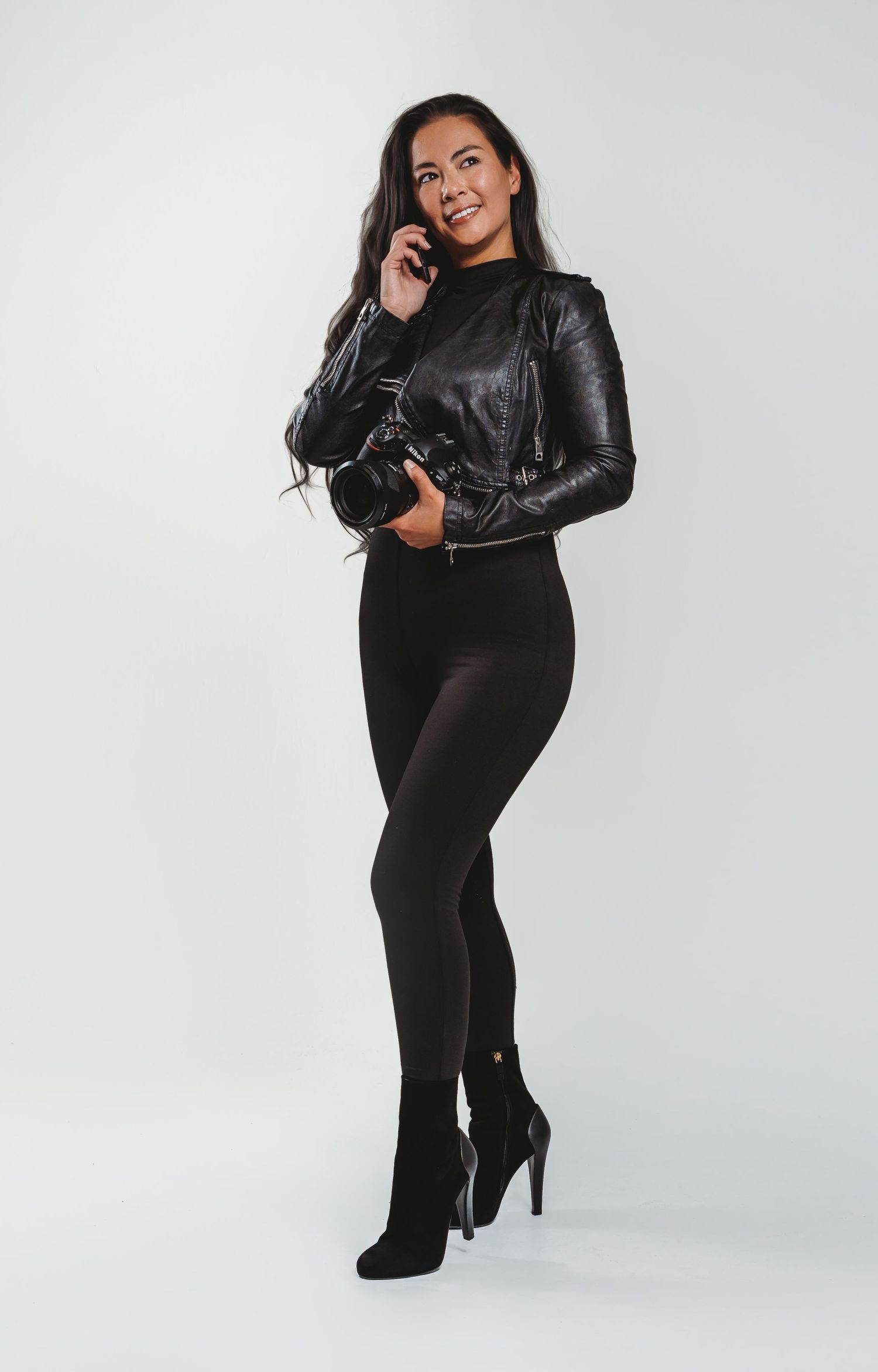
Photography—real, intentional, human photography—does something AI simply can’t replicate.
It captures nuance. The micro-expressions. The energy in a room. The way you naturally carry yourself when you’re not trying to be perfect. Those details communicate more about your brand than any tagline ever could. What’s interesting is that “imperfection” is no longer a liability—it’s an asset. A slightly unposed moment. A laugh that wasn’t planned. A behind-the-scenes shot where everything isn’t perfectly styled. These are the things that stop the scroll now, because they feel rare.
The brands that understand this are starting to lean in. They’re showing their process. Their workspace. Their personality. Not in a messy, careless way—but in a way that feels lived-in and true. There’s intention behind it, but it doesn’t feel manufactured. And that’s the balance: curated, but not contrived.
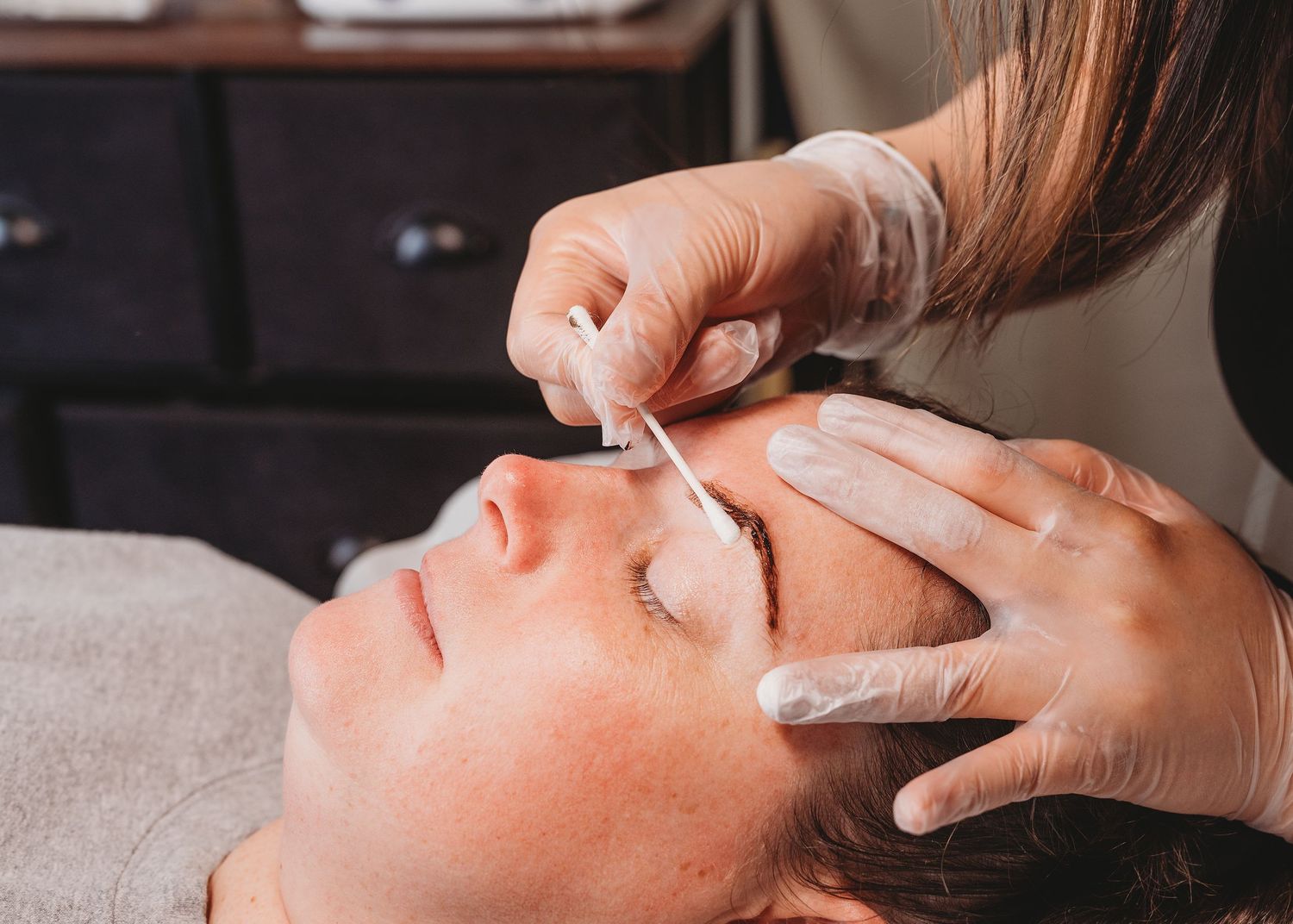
Yeung Studios
The more AI-generated content floods the market, the more valuable your realness becomes.
If your current visuals are overly polished, generic, or disconnected from who you actually are, you’re unintentionally blending into the very thing people are tuning out. Not just as a creative choice, but as a competitive advantage. This doesn’t mean you need a massive production or a perfectly styled shoot. It means you need professional visuals that reflect you—your energy, your environment, your way of working. When someone lands on your website or profile, they should feel like they’ve already met you before ever getting on a call. Because when people feel familiar with you, they trust you faster. And when they trust you faster, they buy faster.
The “anti-AI aesthetic” isn’t really about design at all. It’s about a deeper shift toward human connection. And service brands, more than anyone, are positioned to benefit from that—if they’re willing to be seen.
The question isn’t whether AI visuals will keep improving. They will.
The real question is whether your brand will feel human enough to stand out when they do.